Expert Insights: Common Tree Problems in Weaverville and How to Solve Them
Understanding Common Tree Problems in Weaverville
Weaverville, with its picturesque landscapes and lush greenery, is a haven for tree enthusiasts. However, the town's unique climate and soil conditions can present specific challenges for tree health. Understanding these common issues is the first step to maintaining a vibrant and healthy landscape.
Pest Infestations
Pests are a significant concern for trees in Weaverville, with insects like aphids, caterpillars, and borers causing considerable damage. These pests can weaken trees, making them susceptible to diseases. Regular inspections and early detection are crucial in managing these infestations.
To combat pest problems, consider introducing natural predators such as ladybugs or employing organic insecticides. Ensuring that trees are well-nourished and healthy can also reduce the likelihood of severe infestations.
Soil Compaction
Soil compaction is a common issue that affects tree roots in Weaverville. Compacted soil restricts root growth and reduces the availability of essential nutrients and water. This can lead to stunted growth and increased vulnerability to diseases.
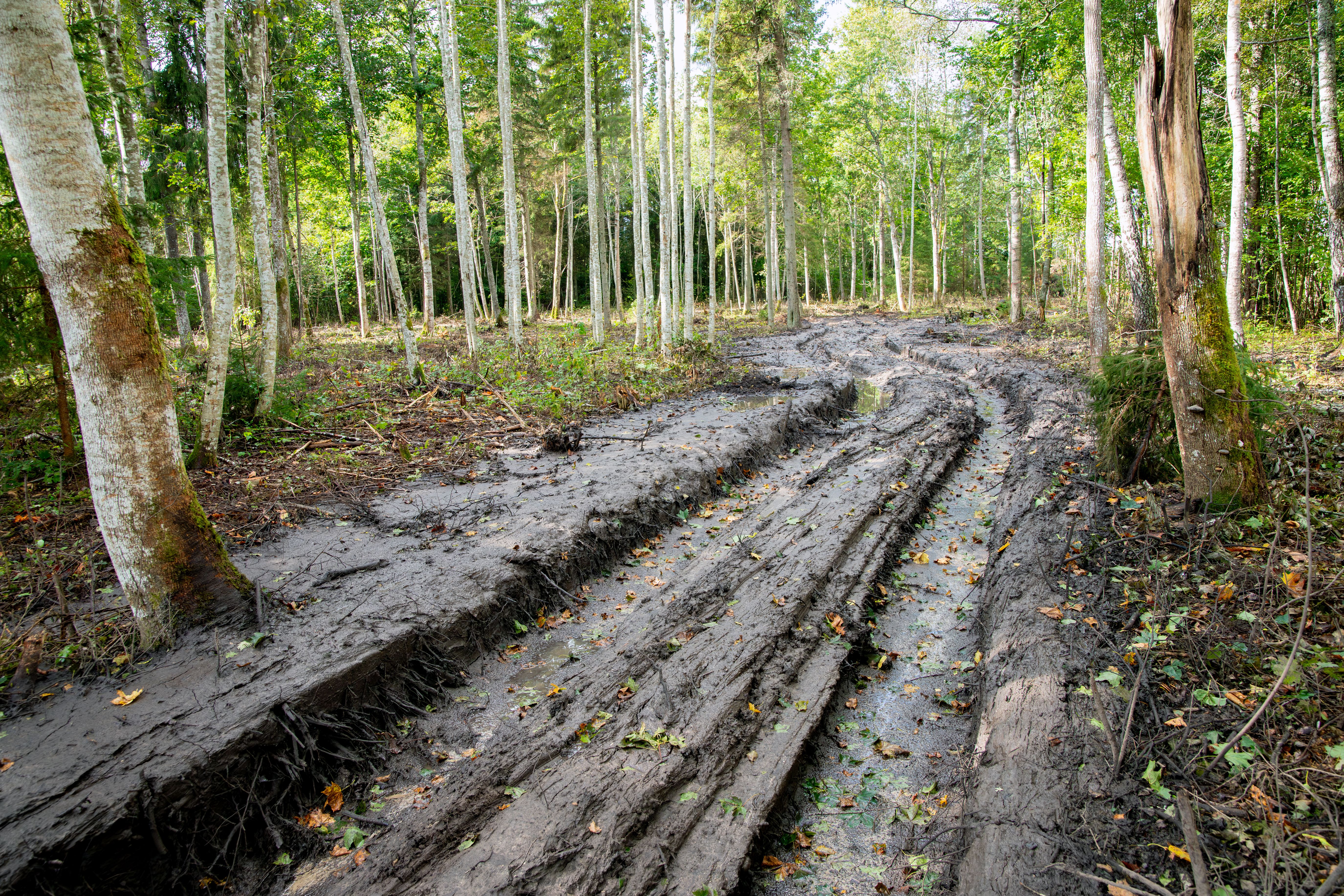
To alleviate soil compaction, homeowners can aerate the soil around the base of trees. This process involves perforating the soil, allowing air, water, and nutrients to penetrate more effectively. Additionally, adding organic mulch can help maintain soil moisture and prevent further compaction.
Fungal Diseases
Fungal diseases such as root rot and canker are prevalent in the Weaverville area. These diseases can spread rapidly, causing significant damage to trees. Symptoms often include discolored leaves, wilting, and unusual growth patterns.
To manage fungal diseases, it is essential to keep the area around the tree clean and free of debris. Pruning infected branches and applying fungicides can also help control the spread. Regular monitoring and maintaining good tree health are key preventive measures.
Improper Pruning Techniques
Improper pruning can lead to weakened tree structures and increased susceptibility to pests and diseases. In Weaverville, where trees are an essential part of the landscape, using correct pruning methods is vital.
Ensure that cuts are clean and made at the right angles to promote healthy growth. Hiring a certified arborist can provide the expertise needed for proper pruning, ensuring the longevity and health of your trees.
Conclusion
Maintaining tree health in Weaverville requires understanding and addressing the common issues that affect these vital components of the ecosystem. By focusing on pest control, soil health, disease management, and proper pruning, you can ensure that your trees remain healthy and vibrant for years to come.